
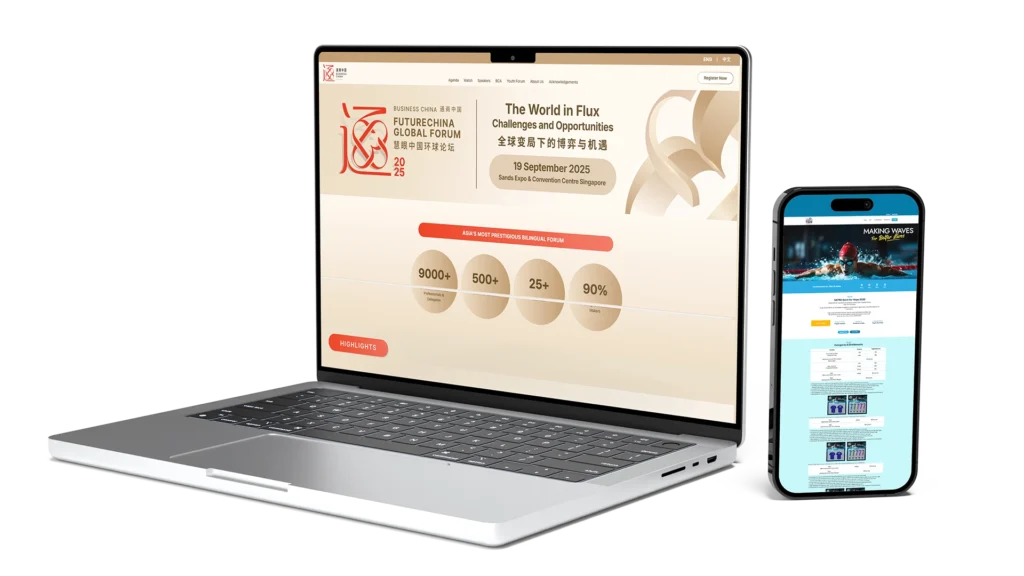
Your event website is often the first place a potential attendee checks before deciding to register. They want to understand what the event is about, who it is for, what is happening, where it takes place and how to join.
A useful event microsite answers those questions without making visitors search through emails, PDFs and separate registration pages. It presents the essential information in a branded digital destination and gives each visitor an obvious next step.
Klobbi combines this visitor-facing experience with the registration technology behind it. Whether your event requires a straightforward sign-up or a more detailed attendee journey, our team can help plan the website and registration handoff together.
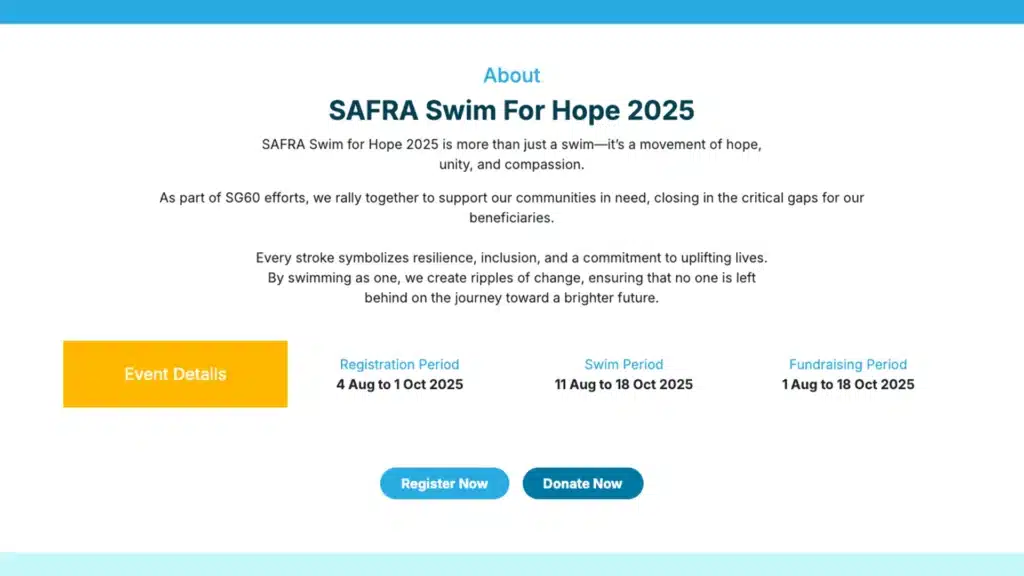
The right content depends on the event. Klobbi can plan a branded event website around the information your attendees need, with sections and functionality agreed during project scoping.
Introduce the event’s purpose, intended audience, dates, times and location. Make the essentials easy to find so a first-time visitor can quickly decide whether the event is relevant.
Show the event programme in a structure that suits the format, whether it is a one-day seminar, a multi-session conference or a public-facing event. Programme content can be organised around the information supplied and approved by your team.
Present confirmed speakers and their relevant details to help attendees understand the people and expertise behind the sessions.
Give visitors a prominent route to the correct registration form or ticketing process. If different attendee categories need different information, the registration setup can be planned accordingly.
Help registrants prepare for the day with practical information such as venue details, joining instructions and answers to common questions.
Use the event’s own branding, messaging and approved content so that the website feels connected to the organiser and the event itself.
An event website explains why someone should attend. An event registration system collects and processes the details required to participate. An event app supports aspects of the attendee experience around or during the event.
The website is the information and discovery destination. The registration form is where a visitor submits the required details. The event app, when used, may provide agenda, networking or other event engagement functions.
These tools can serve one attendee journey without needing to do the same job. Klobbi’s event registration platform manages configurable forms, categories, confirmations and related workflows; the event website gives attendees the context and access point they need before registering. For event-day engagement, the Klobbi event app has its own dedicated role.
We start with your event format, communication goals, audiences and registration requirements. The aim is to establish what visitors need to know and what action they should take.
Your approved event information, brand assets, programme, speakers and contact details inform the website structure. We work with the materials and approval process agreed for the project.
We plan the registration calls to action around the event’s intended attendee journey. Where Klobbi provides the registration system, the website can direct visitors to the appropriate configured registration or ticketing experience.
Before launch, the team reviews the information, links and registration pathway against the agreed requirements. Important details such as event dates, venue directions and registration instructions should be checked by the organiser.
The launch and content-update process is set during project planning. If event information changes, the organiser and Klobbi team can coordinate the updates included in the agreed scope.
A conference website can bring together programme information, speaker profiles, venue details and delegate registration. If the conference involves multiple attendee categories or more detailed booking requirements, these can be addressed through Klobbi’s conference registration system.
For executive forums, employee events, client seminars and business meetings, the website can introduce the event and direct the intended audience to the appropriate registration process. Klobbi’s corporate meeting registration solution addresses the registration requirements of these business audiences.
An exhibition microsite can explain the event, opening dates, visitor information and how to register. Where visitor categories, admission requirements or onsite checks are more complex, they can be coordinated with the exhibition registration system.
Associations, universities and public-sector organisers often need a clear, authoritative event information destination. A branded microsite can communicate the approved event details and provide a structured registration entry point.
A website visitor should not have to guess which form to use or whether registration is complete. Clear calls to action, appropriate registration categories and confirmation instructions make the process easier to understand.
Klobbi’s registration software can support tailored attendee fields, confirmations and QR-based attendance workflows where these are part of your project. For paid events, online registration and payment requirements can be included in the registration scope.
The event website has a simpler task: explain the event and send each visitor to the right next step. When those responsibilities are clear, organisers have a more practical basis for managing event communications and attendee information.

A productive event website project begins with accurate information and clear ownership. Before setup, it helps to prepare:
Not every item needs to be final at the first discussion. Klobbi can help determine the website and registration requirements, while the organiser remains responsible for confirming the event information published under its name.
Klobbi provides event websites as part of its wider event technology offering. Our team understands how online information, registration and venue operations need to fit the organiser’s plans.
The website is not treated as a generic brochure detached from the registration process. Klobbi can plan event information and sign-up journeys alongside its configured registration technology.
You can work with a project team on the scope, required content and registration configuration rather than having to coordinate unrelated website and registration suppliers.
If your project also requires ticketing, QR check-in, kiosks or badges, Klobbi offers related event technology services that can be scoped separately for your event.
Klobbi Pte Ltd’s information security management system is certified to ISO/IEC 27001:2022, and the company holds Singapore’s CSA Cyber Trust Mark at Promoter tier. Klobbi also structures registration workflows around Singapore’s PDPA requirements.
An event microsite is a focused website for a particular conference, meeting, exhibition or other event. It presents useful event information and provides a clear way for visitors to register or take the next step.
Yes. Klobbi offers branded event websites and microsites as part of its event-technology services, with registration configuration and project support available according to the agreed scope.
Klobbi's published event website offering describes microsites that bring together programme information, speaker profiles, FAQs and registration. The precise sections, content presentation and update process are agreed for each project.
The website can provide a clear registration path into the configured event registration process. Whether that journey uses an embedded form, a linked page or a particular layout should be confirmed during setup.
Yes. Klobbi positions its event website offering around a brand-reflective experience. The final design scope and the assets required can be discussed with the team.
No. The event website explains the event and guides people towards signing up. A registration platform handles submitted registration details, attendee categories, confirmations and relevant event workflows.
Klobbi offers registration and payment workflows for events that require paid admission. The payment and ticketing configuration is scoped alongside the event's registration requirements.
Yes. Klobbi's branded microsite and registration services can be planned for conferences, exhibitions and other event formats. The structure depends on the event's content and audience requirements.
Domain arrangements and content-editing access depend on the website setup and project requirements. Discuss these with Klobbi before confirming the implementation scope.
The timeline depends on the website content, registration setup, design approvals and any additional technology requirements. Share your event date and project brief so Klobbi can assess a suitable delivery schedule.